Are You in a Situationship? Signs, Symptoms, and Survival Tips
If you’ve ever found yourself thinking, “I mean we hang out all the time, we sleep together, we text every day, but we’ve never talked about it.” Congratulations, you may be in a situationship.
A situationship is a romantic or sexual connection that looks like a relationship, feels like a relationship, requires the emotional labor of a relationship but mysteriously avoids the clarity, commitment, and mutual agreement of an actual relationship. It lives in the gray area. It thrives on ambiguity. It feeds on phrases like “Let’s just see where this goes” and the all-time classic, “What’s understood doesn’t need to be explained.” (Been trying to figure out what this means since 2010)
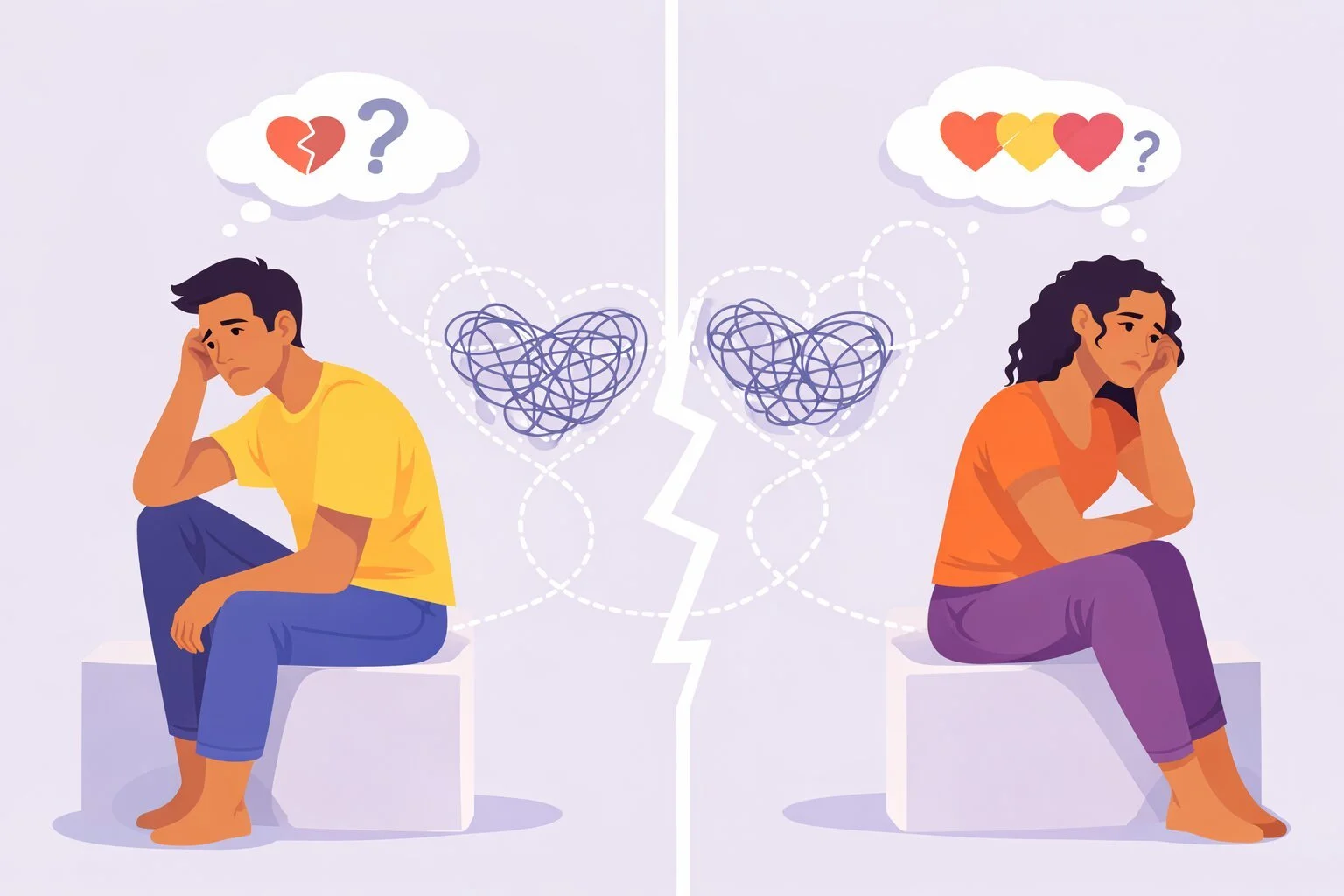
Situationships aren’t inherently malicious. Many people don’t enter them intending harm but over time, they can do a number on your nervous system, your self-worth, and your ability to trust and respect your own needs. It’s crucial to note that this emotional toll is not gender-specific. While cultural stereotypes might paint one picture, the reality is that both men and women can find themselves on the frustrating, powerless side of this dynamic, feeling used, confused, and undervalued.
Why Situationships Can Be Harmful
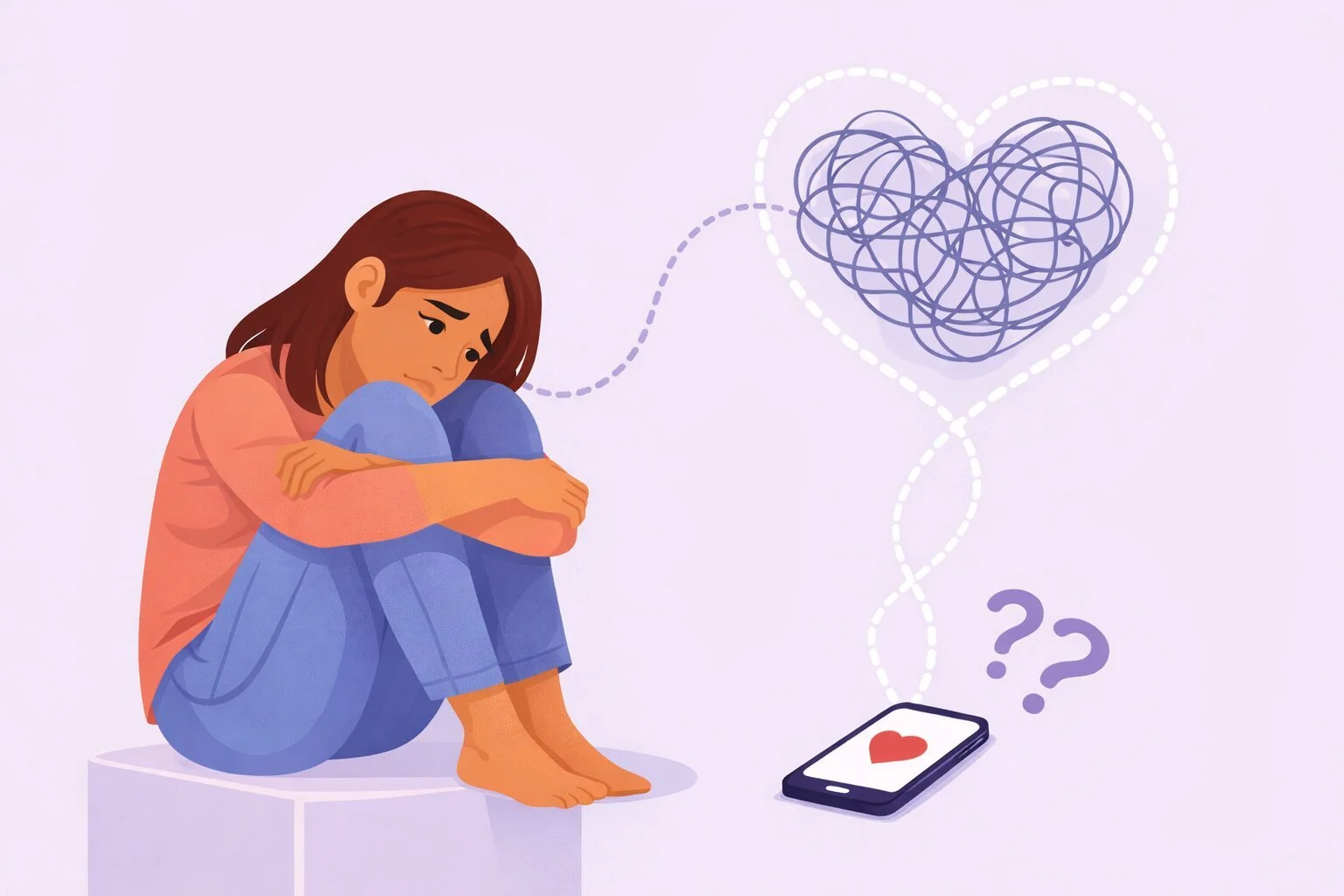
The core problem with a situationship is a lack of alignment around longer term goals of the relationship. One person is often hoping the connection will deepen, while the other is enjoying the benefits of intimacy without the responsibility of commitment. 2/10 would not recommend!
This imbalance creates a perfect storm for anxiety, especially for folks with insecure attachment styles. The human limbic system is fundamentally wired for safety. This is why for many of us, situationships make us feel like we’re losing our marbles, our amygdala is craving understanding and security. When there’s no clear agreement, your brain fills in the gaps. You analyze texts, you become preoccupied with their tone and energy towards you. Before you know it, you’re monitoring response times like you’re working for the FBI. Your emotional safety becomes dependent on someone who hasn’t actually agreed to hold it.
Over time, situationships can:
Erode self-trust (“Am I asking for too much?”)
Normalize unmet needs (“I guess this is just how dating is now.”)
Create chronic anxiety and hypervigilance
Delay you from pursuing relationships that actually align with what you want (You may get caught in the thought web of, “If I can just stick this out a bit longer, she/he may change their mind.”)
The Dating Landscape: Welcome to the Jungle
Situationships didn’t appear out of nowhere. They’ve been supercharged by the modern dating landscape, especially online dating and social media. This isn't your grandma’s courtship. In the age of endless swiping and digital dopamine hits, we've somehow normalized a form of connection that offers all the emotional vulnerability of a relationship with precisely zero of its security.
Apps offer the illusion of endless options. Why commit when someone new is a swipe away? Social media then adds another layer of psychological chaos. Back in the day (cue the nostalgic sigh), if someone you were hooking up with was also hooking up with other people, you at least had plausible deniability. Ignorance really was bliss. Now you have a front-row seat to their other options via social media likes and follows, turning a private, slow burn heartbreak into a public, real-time torture device.
Situationships thrive in this environment because ambivalence allows people to keep their options open without having hard conversations.
Signs You Might Be in a Situationship
If you’re unsure whether you’re in one, here are some common signs. No judgment if you find yourself nodding along.
1. You’ve never clearly defined the relationship:
Not because you don’t want to but because every attempt to talk about it gets deflected. Humor, vagueness, or philosophical quotes often make an appearance. (i.e. “Let’s not put pressure on it.”, “But what we have now is so good.” Sure, Jan.
2. Your needs feel like “too much”:
You hesitate to ask for clarity, consistency, or reassurance because you’re afraid it will scare them off. Expressing a basic emotional need makes you feel needy or like you're "ruining the fun", that fear alone is information.
3. You get mixed signals (This one is a real gear grinder):
They act invested one day and distant the next. When confronted, they say things like, “I didn’t realize you felt that way,” despite their actions saying otherwise. You may have already met some of their friends or family members but they still want to “keep it fun and low key for now.” Don’t settle for that “You’re #1 but not the only one” nonsense.
4. The relationship exists mostly in private:
You hang out one-on-one, but you’re not integrated into their life. Friends, family, future plans are all oddly absent. Sometimes a few dates in the wild happen or sometimes it’s only takeout and makeout sessions in your living room.
5. You’re doing a lot of emotional math:
You analyze texts, tone, timing, and behavior to figure out where you stand. Healthy relationships don’t require this level of hypervigilance.
6. You’re not your best self:
You feel more stressed, insecure, or confused than usual. The "happy moments” are few and far between because the anticipatory grief and disappointment is just so strong and destabilizing.
7. Commitment is always “later”:
There’s talk of “someday,” but no movement toward it. The goalpost keeps shifting.
8. It’s all Take, Little Give:
The dynamic feels one-sided. Your investment (time, emotion, energy) far outweighs theirs. Hangouts happen on their schedule, often last-minute. Your time together feels circumstantial, not chosen.
9. Communication is Shallow:
You might talk often, but conversations stay surface-level. Deep emotional sharing feels off limits.
10. There’s no future talk:
Conversations stay firmly in the present or vague at best. Plans rarely extend beyond the next hangout, and when you mention anything future-oriented, holidays, trips, or even “next month”, the energy shifts. If the relationship exists only in the now, that’s often intentional.
Why People Stay (And Why That Makes Sense)
It’s incredibly easy to beat yourself up for staying in a situationship. Please don’t. Most people don’t stay because they’re naïve or “bad at boundaries”, they stay because they’re hopeful, attached, lonely, or genuinely craving connection. In other words: extremely human, happens to us all.
If you grew up with inconsistent emotional availability, situationships can feel familiar like endlessly rewatching Titanic, wishing with all your might that Jack would finally get on the damn door and live happily ever after with Rose. That hope carries a visceral grief, the ache of wishing so deeply that an outcome could somehow be different, even when you know, deep down, it probably won’t be. If you lean toward anxious attachment, ambiguity can be magnetic. The issue here is being subtly taught that closeness has to be earned through patience, flexibility, and emotional endurance.
It is A-okay to want clarity, closeness, and to know where you stand. These are baseline, bare minimum relationship needs. It’s wild that society has made it feel like these are revolutionary requests.
Ways to Get Out of The Gray Zone
The antidote to a situationship is self-honesty and boundaries. Transparency and openness will not kill genuine, reciprocal connections, it reveals whether they were sustainable in the first place.
Get Honest With Yourself: Ask yourself the tough questions: Am I staying because I feel genuinely seen and valued, or because I’m worried about being alone or starting over? Open your notes app and write it out, the pros and the cons. Be ruthless, but compassionate. Is this connection actually serving you?
Tell Them How You Feel (Even When Your Stomach Is Doing Cartwheels):
Clarity is a radical act of kindness to yourself. Start out with something simple and honest: “I’ve really enjoyed our time together, but for my own peace of mind, I need more honesty about what this is. Can we talk about that?” Their response (or lack thereof) will tell you everything you need to know. Being honest about your feelings is a crossroads. Rejection is possible, and yes, that can hurt like hell but the truth has a strange way of bringing relief. Once you know where you stand, the mental gymnastics and unnecessary suffering stops.Set a Mental Time Limit: Give yourself permission to say, “If things are still this ambiguous in three months, I need to step away for my own sanity.” If you notice that it’s hard to stick to your own time limit because of your overwhelming anxiety then it’s time to go ahead and move on.
Lean on Your Support System: Talk to friends who will give you the loving but honest reality check, not just the nod and smile squad. If patterns keep repeating, consider talking with a therapist. (Holla atcha girl)
Reclaim Your Power (and Your Calendar): The biggest commodity in a situationship is your attention. The other person often gets all its benefits (companionship, emotional support) without any of the reciprocation a real partner would offer. Start by reinvesting that attention directly back into yourself. Fill the time you'd usually reserve for hoping they'd text or make plans with activities that build your own life. When you stop being so readily available, two things happen: you remember how interesting and capable you are on your own, and the fog of the situationship lifts enough for you to see its true (often lackluster) value.
You are not asking for too much when you want a love that’s clear, steady, and brave enough to call itself what it is. In a world that often prizes convenience over connection, choosing to want more and acting on that desire is the ultimate act of self-respect.
Always choose yourself first and then choose who chooses you back!
If you find yourself stuck in relationship uncertainty or repeating painful patterns, you don’t have to navigate it alone. Therapy can help you understand your attachment needs, set boundaries, and choose relationships that feel safe and reciprocal. The Therapy Hub offers attachment-informed, relationship-focused care to support you in building connections that truly align.