
High-Functioning Anxiety: Why Rest Feels Risky
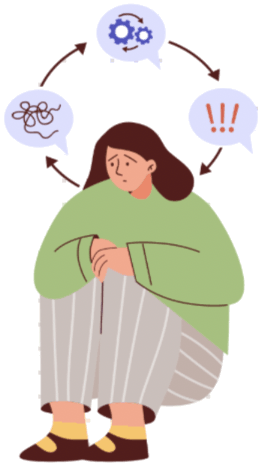
You know this person. You might be this person. They wake up before the roosters for no real reason (hello, anxiety), answer three work emails before their feet hit the floor, and dive headfirst into their morning routine, with lunches packed, the kid and dog dropped off, and a workout done before their first meeting at 9:00 am.
They’re the one people call for help or advice, the sibling who remembers Mother’s Day and Father’s Day gifts, the one who keeps the wheels turning, and somehow makes it all look “too easy, drill sergeant.”
From the outside, it reads as confident, organized, and accomplished, absolutely “crushin’ it” energy. Internally, it’s more like having 27 tabs open and at least 12 of them are playing audio. One tab is replaying something you said last week, one tab is mentally rehearsing every worst-case scenario, and another tab has Thong Song playing on repeat which, unfortunately, is not helping.
There’s a feeling of dire urgency that follows you around, reminding you there’s always one more thing you could be doing. Sitting down doesn’t feel like a break, it feels like you’re falling behind. Even couch time comes with a mental checklist scurrying in the background, emails you could answer, plans you could make, and for some reason, a sudden urge to reconnect with your elementary school best friend. All in a day’s work.
Rest isn’t restful when your brain correlates it with risk. Slowing down can feel unfamiliar, sometimes uncomfortable, like you’re about to get caught red-handed enjoying a rerun of Matlock. This feeling and response often makes sense, staying busy and “productive” may have once helped you feel safe or in control so now as an adult, staying one step ahead feels like survival. It’s always worked out for you until you notice you’re not entirely sure how to stop.
What you’re experiencing has a name: high-functioning anxiety.
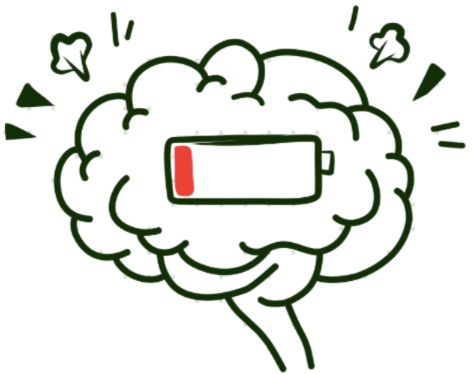
What People See vs. What It Feels Like
In your world, you’re reliable and consistent, you run a tight ship. You’re the person with a plan, a backup plan, and a backup plan for the backup plan all while internally feeling like you’re losing your shit. If one more person asks for your help, you might seriously consider packing it all up and moving to a secluded island.
Other people experience you as:
Prepared
Capable
The one who plans a trip and sends a color-coded itinerary and packing list
Responsible
Put-together
Your internal experience tends to look more like:
Secretly Spiraling
A constant sense that you should be doing more, even when you’re already at capacity
Your brain conjuring up a random interaction from 2014 at 2:00 am
You’re productive but never at peace
Being overly critical of yourself
This strategy gets rewarded for a while. You’ve earned promotions, praise, and all the gold stars but eventually, it starts to cost more than it gives back.

Signs This Might Be You
High-functioning anxiety typically blends right in. It’s the over-responsible friend, the dependable coworker, the person who rarely drops the ball.
A few patterns tend to show up:
1. Over-preparing is your default setting
Trips turn into spreadsheets, simple conversations get rehearsed, and you find yourself thinking through every possible outcome like you’re training for a mental decathlon. Preparation brings a sense of control, and at some point, you learn to equate preparedness with safety.
2. Saying no feels risky
You tend to stay booked and busy. When someone asks for help, your brain jumps to what it might mean about you if you decline so you say yes knowing you already feel stretched thin.
3. Your body stays on standby mode
Tension shows up on the regular, your jaws stay clenched while watching TV (because watching tv is not allowed, duh), your shoulders creep up while answering emails, and you feel a sense of uneasiness even when nothing is actually urgent. Unfortunately, part of the problem is that everything feels urgent.
It’s important to understand where this pattern comes from. For many folks, this way of operating was learned and reinforced through the environment that you grew up in.
It can look like growing up in a home where being productive was expected, where there was always something to be done, or where staying busy was the norm. Some people remember feeling like they were “on the clock” even at home, like downtime needed to be earned or explained. Sitting still didn’t always feel neutral, it felt noticeable. The fear of being ”lazy” wears like a badge of shame. You learned that being “on” is safer because rest requires justification.
In these environments, it’s common to start filling that space automatically. That may look like fluffing the living room pillows before your parents enter the room, finding a task at any given moment, and always being “helpful.” For others, it shows up in more structured ways such as packed schedules, multiple extracurriculars, high expectations around achievement, or a strong emphasis on doing things well and doing them consistently. There’s often a sense that being engaged, involved, or productive is part of what makes you a “good” kid.
As Dr. Lindsay C. Gibson explains in her book, Adult Children of Emotionally Immature Parents,
“Driven parents are the type that tends to look most normal, even appearing exceptionally invested in their children’s lives. Being driven, they’re always focused on getting things done…Whether they mean to or not, driven parents make their children feel evaluated constantly.”
When your brain is constantly pushing you to do more, it’s easy to meet that pressure with more pressure and intensity. Self-compassion can help interrupt the cycle.
It can sound like:
“It makes sense that I feel this way given my commitments.”
“I am allowed to do what’s best for me even if it upsets people.”
“It’s okay to make mistakes, I don’t have to fear failure.”
“I choose to focus on what is in my control and let the rest go.”
“I am a total badass and badasses need rest too.”
This is about letting yourself gently step out of the pattern and away from the belief that your worth is tied to your productivity.
Interrupting the Cycle
The antidote to perfectionism is learning to relate to yourself differently, with more self-compassion and clearer boundaries.
This can look like:
Letting an email wait, even when you know you could knock it out in two minutes
Delegating a task instead of automatically taking it on yourself
Saying no without over-explaining or trying to make it more comfortable for everyone else
Leaving something “good enough” instead of optimizing it within an inch of its life
Not jumping in to fix, manage, or anticipate every possible outcome
Letting yourself sit down without immediately finding something to do, finally enjoying a show in your pjs can be the “something to do”
You might feel some guilt when you start loosening the grip of your perfectionist tendencies. This feeling can be a small price to pay for more rest, a life that isn’t driven entirely by performance, and most importantly, a greater sense of peace!
Here’s to more couching and slouching, saying no when you need to, and giving yourself unconditional permission to rest!
If you recognize yourself in this pattern of always doing, always pushing, and rarely feeling at ease, you’re not alone. Therapy can help you understand where these patterns come from, build self-compassion, and create space for rest without guilt. If you’re ready to feel more grounded and less overwhelmed, reach out to learn more about working together at The Therapy Hub.