
Cultivating a Body-Inclusive Therapy Practice
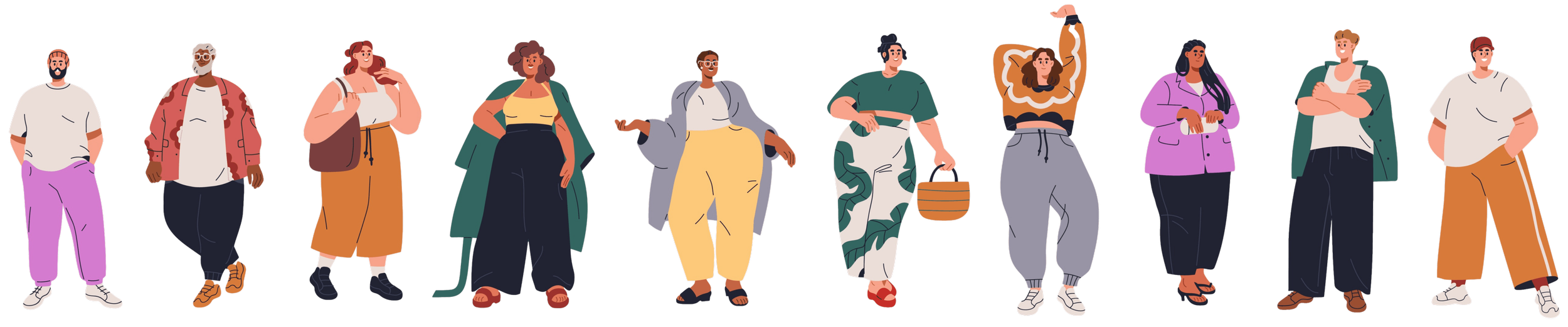
Creating a body-inclusive therapy practice starts with paying attention to the many ways bodies of all shapes, sizes, ages, and abilities show up in our work. Our clients’ relationships with their bodies develop through their personal histories, culture, race, ethnicity, gender, and the communities they belong to. The experience of living in a body can affect how someone understands themselves, their relationships, and their place in the world.
Clients also come into therapy with years of experiences and messages about attractiveness, health, gender, aging, ability, size, food, desirability, and the ways appearance can become tied to worth, identity, and belonging. Those messages may come from family, peers, doctors, romantic partners, coaches, social media, and a culture that has always had plenty to say about how bodies should look and exist in the world.
Each client brings their own history and body story into the therapy room, offering important context for how they experience and relate to their body today.
Being Mindful of Our Assumptions
One of the most important parts of body-inclusive care is resisting the urge to decide what someone’s relationship with their body must be based on what we see. A client in a larger body may have no interest in losing weight, while a client in a smaller body may have spent years struggling with food or their body image. An athlete may feel deeply disconnected from a body that other people regularly admire, and a man who has never mentioned body image may still be monitoring his hairline, muscularity, height, or signs of aging every time he catches a glimpse in the mirror.
Appearance-based compliments can be a slippery slope in the therapy room.
Imagine a client saying that they have hated their legs since middle school. A therapist might respond, “But you’re gorgeous, how could you hate your legs?” The intention is reassurance. The impact may be very different.
A statement like that can unintentionally reduce a complex history with their body to a question of whether the therapist personally finds the client attractive. It also assumes that there is something objective about attractiveness in the first place. However, what we consider attractive is heavily informed by socially constructed beauty standards and the messages we receive about which bodies are considered desirable. We are making our own assessment of the client’s appearance and using it to challenge how they feel about themselves. While often well-meaning, comments like these can overlook the bullying a client experienced at thirteen, the parent who constantly criticized their own thighs, the coach who commented on their weight, the partner who compared them to someone else, or the years they have spent comparing their body to an ideal they never felt they could reach.
Body image rarely changes because someone presents convincing evidence that a client is attractive. Curiosity can help us better understand the experiences, messages, and beliefs that have informed how a client relates to and experiences their body. Questions might include:
“What did you notice about the way your family talked about their own bodies?”
“What messages about bodies did you internalize from TV shows, movies, or magazines growing up?”
“What stressful situations tend to make you more aware of your body?”
“What do you believe your body says about you as a person?”
These questions invite clients to share their story rather than trying to correct the one that already exists.

Being Thoughtful About Celebrating Weight Loss
This one deserves some BIG attention right now.
With the widespread use of GLP-1 medications, therapists are increasingly likely to work with clients whose bodies are intentionally changing. We may know that a client is taking medication for weight loss. They may be excited about changes they are noticing and may talk openly about them in therapy. We can remain curious, supportive, and respectful of a client’s body autonomy without joining in the celebration of weight loss itself.
Comments such as “You look amazing!” or “Wow, you’ve lost so much weight!” may feel supportive in the moment, but they also communicate something about which direction of body change earns approval. This becomes especially important if the client later regains weight.
If I enthusiastically celebrate a client becoming smaller, what might they imagine I am thinking if their body becomes larger again? The perceived approval may also leave them wondering how I viewed their body before the weight loss. Did I see their bigger body as less attractive, less healthy, or less worthy? I hear versions of this concern often from clients. Praise for weight loss can be a double-edged sword because the approval attached to becoming smaller can reinforce the belief that there was something wrong with being bigger. A client may then feel pressure to maintain the weight loss along with the approval they received because of it. Therapists have significant relational influence, and our reactions matter.
Instead of complimenting the body change, we can stay interested in the client’s experience. How are they feeling physically and emotionally? What has changed in their relationship with food? How are other people responding to their body? How do they feel about these responses and comments from others? Are they noticing new fears or expectations? What does this experience mean to them?
The same principle applies when we do not immediately know why someone’s weight has changed.
Weight loss or gain can occur because of illness, grief, depression, medication changes, financial stress, an eating disorder, or any number of circumstances. Weight loss, in particular, is often met with applause or excitement before we know anything about what may be happening in someone’s life.
As helping professionals, we have an opportunity to model some of the unlearning that comes with diet culture and weight stigma, and to de-normalize commenting on people’s bodies willy-nilly. This includes resisting the very culturally ingrained impulse to say, “Have you lost weight? You look great!” and becoming more thoughtful about what our attention and celebration might communicate.

Creating a Space for Every Body
Body inclusivity is communicated before we ever ask a question.
Take a look at your waiting room and office from the perspective of someone who is unsure whether the furniture will comfortably accommodate them.
Are there sturdy seating options for people across a range of body sizes? Are all of the chairs narrow or equipped with restrictive arms? Would someone need to discreetly scan the room to figure out which chair feels safest? Is there a comfortable option available without the person having to request “the bigger chair”? What about the height of your furniture? Is your tall client going to feel like they’re practically sitting on the ground, or will a client with mobility concerns struggle to get back up from a low couch or chair? Furniture seems like a small detail until you are the person wondering whether it will hold you.
Body-inclusive seating should ideally blend naturally into the environment rather than creating a designated chair that announces why someone might need it. Armless chairs, supportive couches, and seating with varied widths can make an impactful difference.
The broader environment matters too. It’s important to consider artwork, magazines, books, décor, and any materials displayed in the waiting room. A welcoming therapy office should communicate through its furniture, décor, and overall feel that people in many different bodies belong there and have been considered in the design of the space.
Our Bodies and Biases Come Into the Room Too
Therapists live within the same culture as our clients, and we bring our own experiences, beliefs, and body stories into the therapy room with us. Body-inclusive care asks us to remain curious about those influences and how they may show up in our work.
Our own body stories and biases deserve attention too. A client’s experience may bring up beliefs we hold about health, attractiveness, aging, disability, or weight, sometimes in ways we do not immediately clock. Maybe we assume a thin client is healthy, feel surprised when a client in a larger body enjoys exercise, or have an internal reaction when a client gains weight and has no interest in losing it. A client’s choices about their body may also challenge beliefs or experiences we are still working through ourselves. Something a client shares may brush up against a tender or unresolved part of our own body story, and we may notice ourselves becoming defensive in response.
As a therapist in a bigger body, I have had clients hesitate to talk about their own body dissatisfaction because they worry that what they say might offend me. Those moments require me to stay aware of what is happening in the room without making the conversation about my body or asking the client to take care of my feelings. This has taken practice and years of my own body image work. Our bodies are part of the therapeutic relationship, and there may be times when acknowledging how they show up in the room is clinically meaningful. Our willingness to approach these conversations with curiosity, openness, and as little defensiveness as possible can make it safer for clients to speak honestly about experiences they may already feel immense shame around.
Body-Inclusive Care Is for Everyone
Body-inclusive care matters for everyone who walks into our offices. Our relationship with our bodies is influenced by culture, race, ethnicity, gender, age, ability, health, body size, and many other parts of our identity, along with broader cultural expectations about which bodies and features are considered attractive, healthy, desirable, or acceptable.
Men may struggle with muscularity, height, hair loss, aging, penis size concerns, and feeling physically “good enough.” Athletes may experience tremendous pressure around performance and appearance, while aging adults are surrounded by cultural expectations that encourage them to resist or conceal visible signs of getting older. People with chronic illnesses or disabilities may be grieving changes in their bodies, adjusting to physical limitations, or experiencing shifts in how they see and relate to their bodies, while transgender and nonbinary clients may have complex relationships related to their bodies, visibility, safety, and gender expression. People in both smaller and bigger bodies can have eating disorders, conventionally attractive people can experience debilitating body image distress, and people in bigger bodies can have incredibly positive, secure relationships with their bodies.
Our perception of a person’s body will never tell us the full story of their lived experience.
With thoughtful language, accessible spaces, genuine curiosity, and continued examination of our own biases, therapy can offer something incredibly valuable: a place for clients to explore what it has been like to live in their bodies, in their own words and on their own terms. It is an honor and a privilege to hear and witness someone’s body story, and the fact that a client trusts us enough to share it says something meaningful about the space we have created together.
Every body has a story worth hearing.
Creating a body-inclusive therapy practice is an ongoing process of curiosity, reflection, and intentional care. If you're looking for support in developing a more inclusive, compassionate approach to body image, weight stigma, and client care, The Couch Club offers consultation, education, and resources designed specifically for therapists.