
The Friendship Recession Among Men
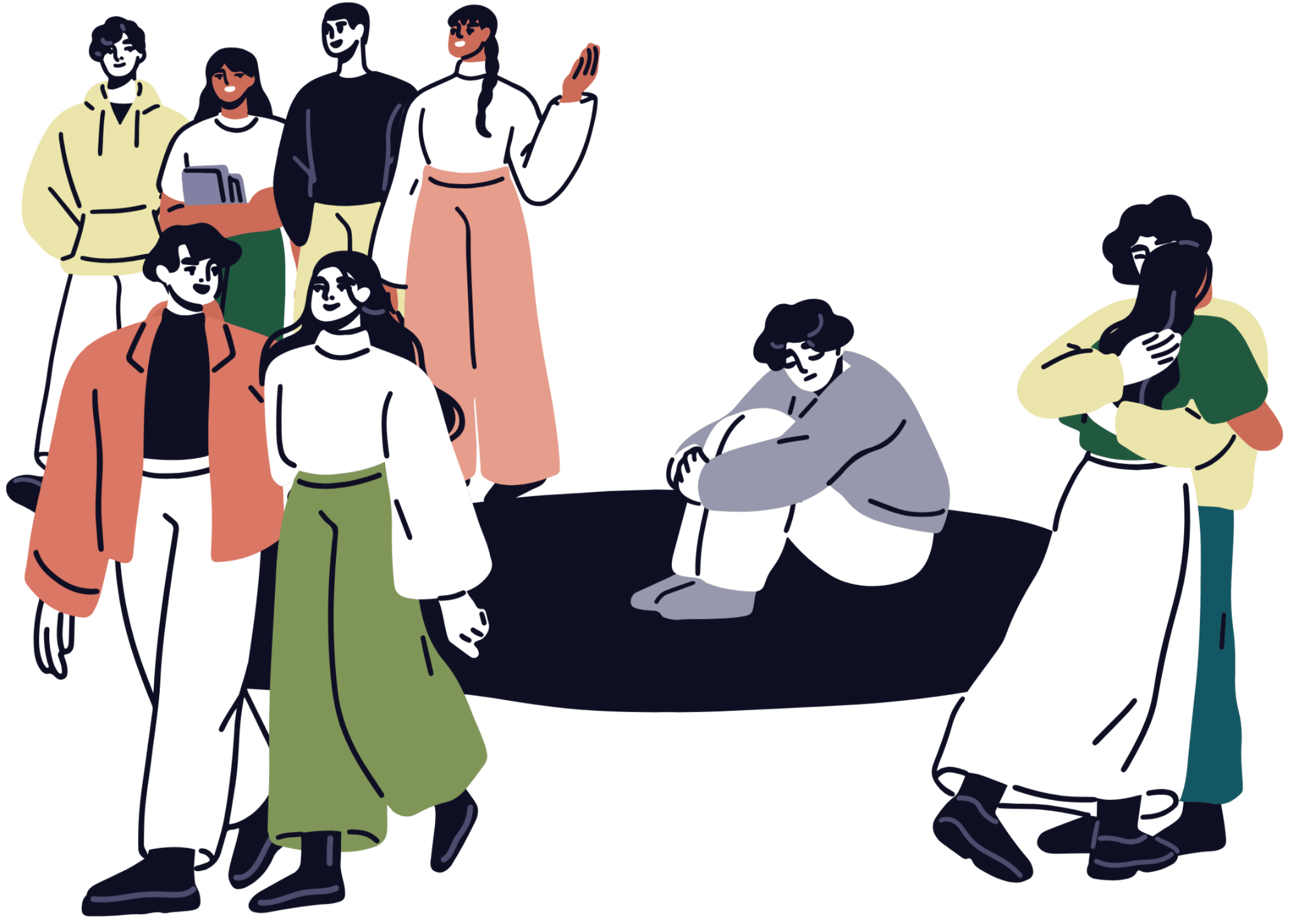
Welcome, this is a conversation about loneliness, grief, nostalgia, aging, and the ways connection changes as we grow up and older.
At the end of Stand by Me, adult Gordie Lachance reflects back on the childhood friendship he shared with Chris, Teddy, and Vern and says, “I never had any friends later on like the ones I had when I was twelve. Jesus, does anyone?” This line resonates decades later because it captures a feeling of grief that many men experience at some point in adulthood, a longing for friendships that once felt effortless, constant, and carefree.
Do you ever look back on childhood friendships as one of the last times you felt consistently seen and understood? There was a shared sense of loyalty, comradery, and emotional safety, even if no one called it that back then. Some recall a stage of life when friendship was built into the rhythm of everyday living through school, sports, neighborhoods, late-night drives, and weekends spent playing Super Mario Bros. 3 and watching horror movies in somebody’s basement until 2:00 am. There was often a shared culture around those friendships, whether that meant growing up in the same town or living inside the strange little ecosystem of college life. During those years, time together happened naturally and repeatedly, which allowed closeness to deepen with minimal effort.
As adulthood becomes fuller with work, marriage, parenting, relocations, caregiving responsibilities, and increasingly limited bandwidth, many friendships slowly begin to change in ways people often do not expect. There was likely no major conflict or significant fallout, life just became busier, communication became less frequent, and over time many men realized that people who once knew almost every detail of their lives had slowly become occasional texts, or social media likes.
Why So Many Men Feel Lonely in Adulthood
Researchers have started referring to this shift as a “friendship recession,” particularly among men. Studies continue to show that men report having fewer close friendships than previous generations, and many say they do not have someone they feel comfortable talking to about stress, relationships, loneliness, or personal struggles. On paper, many men still appear socially connected through work, marriage, parenting, neighborhoods, golf outings, fantasy football leagues, gaming communities, or group chats mostly built around memes and checking in every few weeks.
One reason loneliness can feel confusing and less noticeable for men is that it often exists alongside functional competence. They are showing up to work, helping with the kids, answering emails, paying bills, taking care of the house, and managing their ongoing responsibilities. Some men are married, while others spend most of their day surrounded by coworkers, clients, friends, or online communities, yet it is still very possible to feel emotionally disconnected even when having a seemingly “full” support system.
The “I’m Fine” Pattern
It’s likely that many men grew up soaking up the cultural message and expectation that emotions should be handled privately and quickly, learning early on that being dependable, productive, and low-maintenance was valued, while vulnerability often felt uncomfortable, unnecessary, or even weak. By adulthood, men have become highly skilled at appearing “fine” regardless of how overwhelmed, lonely, worried, or emotionally worn down and “not fine at all” they actually are.
This same dynamic often shows up in friendships. Do you genuinely want closer relationships but feel unsure how to create or maintain them as adults? It may feel awkward to reach out after years of limited contact, and even saying something simple like “I’ve been having a rough time lately” or “I miss hanging out” may feel unfamiliar when emotional openness was not consistently encouraged growing up or even now as an adult (we’re working hard to change that reality though).
A lot of male friendships remain centered around humor, gaming, sports, work, shared interests, or activities, all of which can absolutely create connection and belonging. Underneath though, there is a desire for friendships where somebody notices they seem off, asks a real follow-up question, remembers what has been happening in their life, or knows that “fine” doesn’t really mean, “fine.”
As you’re reading and reflecting on your own experience with friendship and companionship, consider:
When was the last time you felt fully relaxed around another person?
Who used to know you well that you still miss?
Who would you reach out to if awkwardness was not part of the equation?
Are you spending most of your energy being useful or being known?
What kind of friendships do you want at this stage of your life?
When Connection Gets Replaced by Logistics
Emotional distance can exist inside romantic relationships too. Two people can love each other, share a home, raise kids together, divide responsibilities, and still find themselves spending most of their conversations talking about schedules, errands, finances, and trying to make it to the weekend.
Oftentimes, men respond to this by trying to become even more dependable, taking on a “husband-first” mindset. They work harder, stay busy, handle responsibilities, keep it “cool as a cucumber” all while longing for more moments where they feel emotionally connected, appreciated, understood, and able to relax within the relationship without the focus being on functionality.
Most relationships do not require perfect communication or endless emotional processing in order to feel close again. In many cases, connection starts returning through small moments of attention and honesty that gradually help people feel emotionally attuned again. This may look like sitting together after the kids go to bed and talking for a while instead of automatically disappearing into separate screens, having a real conversation during a drive instead of only discussing logistics, laughing together more often, or letting your partner know you have had a hard week instead of reflexively saying “I’m good.” These moments are small ways to find that sense of belonging and intimacy again.

There is Still Time to Reconnect
One of the more difficult parts of adulthood is realizing that friendship usually requires more work than it did earlier in life. At twelve and twenty, closeness often developed naturally through proximity and shared routines. You saw your friends every day at school, in the neighborhood, at practice, or sitting on your favorite plaid couch arguing over whose turn it was to play Street Fighter. As adults, life becomes far more fragmented: careers, parenting responsibilities, caregiving roles, burnout, and overloaded schedules all compete for time and attention.
If you’ve been reading this and feel a simultaneous sense of validation and sadness, that’s normal and I hear you and I see you! Meaningful friendships are still very possible in adulthood, though they often grow through smaller and more intentional moments. It can look like reaching out to somebody you have thought about texting for months, saying yes to plans instead of automatically assuming you’ll be tired next Thursday at 7:00 pm (you probably will be but you’ll also be happy you went to happy hour with your friend), taking a walk with a friend and reconnecting over shared childhood interests, sitting on a porch or a patio for an hour talking about life, gaming online together after the kids go to bed and most importantly, asking for support when you need it. What we know to be true is many other men are craving the exact same kind of connection. They’re also waiting for somebody else to initiate plans, ask a more honest question, or acknowledge how difficult it can feel to maintain friendships in adulthood. There is often relief when somebody finally acknowledges, “I miss hanging out,” or “I’m lonely” because so many other people have been thinking the exact same thing.

You Are Probably Not the Only One
For many men, loneliness becomes synonymous with shame, which can make it even harder to talk about openly. Oftentimes, loneliness is not really about “having nobody.” Instead, it is the very normal desire to feel close to people, supported, understood, able to laugh, relax, and share life with others in a meaningful way. There can also be real grief in recognizing how much friendship changes across adulthood as well as the sheer grief of growing older, earlier seasons of life often allowed more consistency, spontaneity, and unstructured time together than adulthood.
At the same time, adulthood creates the opportunity for a different kind of friendship. Adult friendships may involve calendars, planning, and texting each other “Does next Thursday work?” six times before seeing each other, but they can still offer support, familiarity, humor, honesty, and the feeling of being fully known by another person.
If this blog resonated with you, there is a solid chance you are not the only person in your life feeling this way. If you are missing closeness, friendship, and companionship more than you talk about, it’s very possible somebody else has been thinking about reaching out to you too.
Dear men,
You deserve affection, care, softness, friendship, rest, laughter, honesty, and relationships where you feel emotionally safe too. You are allowed to want closeness. You are allowed to need support. You are allowed to be cared for and loved without having to earn it through performance, productivity, or abandoning your own feelings.
Here’s to more honest conversations, more connection, and men feeling a little less alone in the world.
If this post resonated with you, you are far from alone. Therapy can provide a space to explore loneliness, emotional disconnection, relationship patterns, and the pressure many men feel to always appear “fine.” Meaningful connection and emotional safety are still possible in adulthood, and you do not have to navigate it all by yourself. If you’re ready to begin that process, reach out to learn more about working together at The Therapy Hub.