
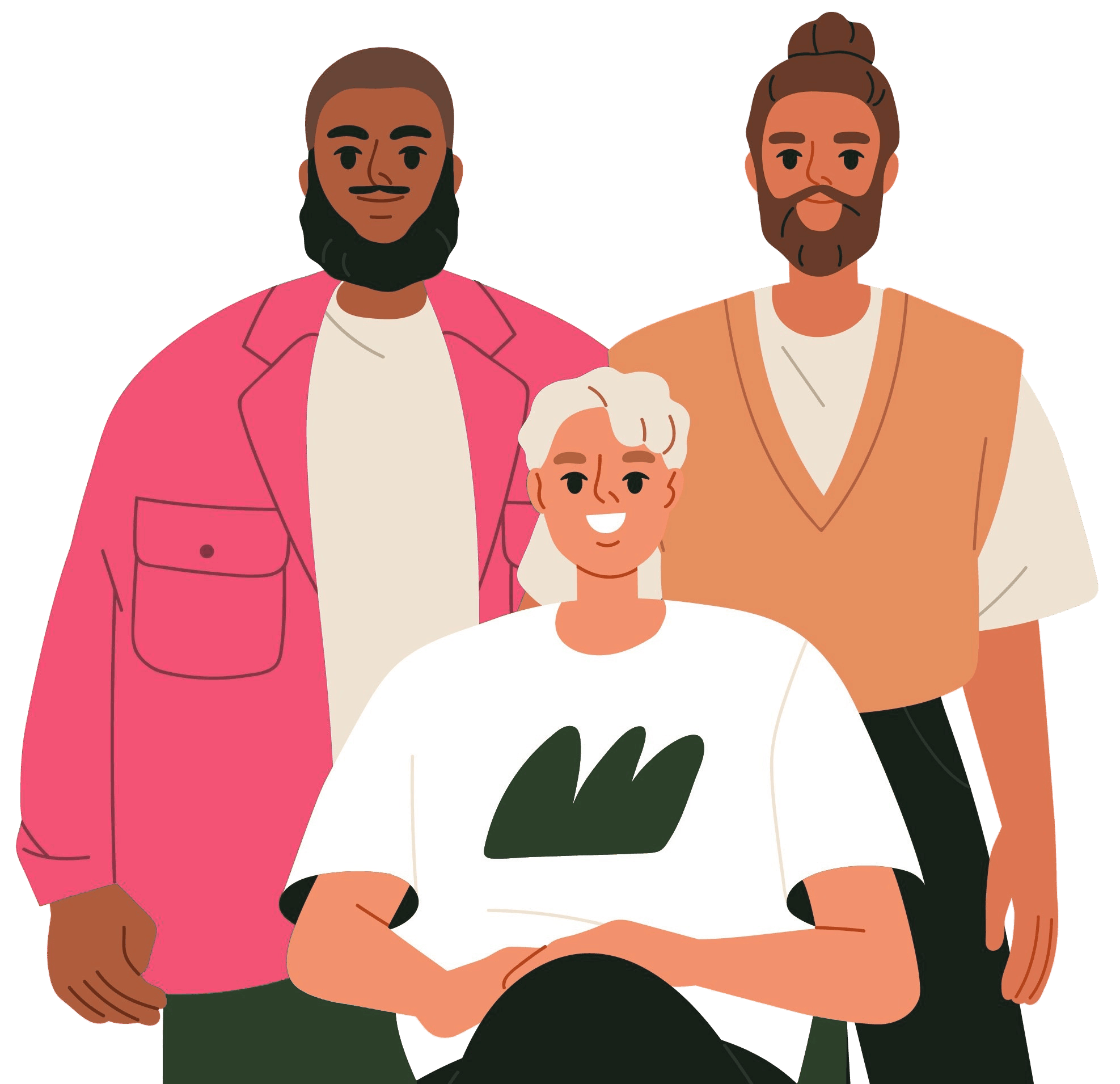
We spend an awful lot of time talking about men's bodies and remarkably little time asking men how they feel about their bodies.
Remember when the term "dad bod" became popular in 2015? We were suddenly having conversations about how men with softer stomachs and less muscular physiques were surprisingly attractive. On the surface, I appreciated the idea that men's bodies didn't have to resemble a Marvel superhero (Google Hugh Jackman's physical transformation as Wolverine over the years, btw) to be considered desirable. In hindsight, I realize how complicated, unkind, and insensitive the conversation was and still is. There was understandable frustration about the double standard, particularly because women's bodies, especially after having children, have rarely been afforded that same grace. We absolutely should be challenging those expectations. Still, I couldn't help but notice that men's bodies had become the punchline again.
We were being told that dad bods were sexy, but were we actually helping men feel better about their bodies? In my work as a therapist, I've never encountered a man who felt particularly empowered by someone describing his physique as a "dad bod." Even when it's intended as a compliment, there's often an underlying suggestion that his body is attractive despite not being lean or muscular, whether that's a physique he once had or one he’s never had. Social acceptance of a particular body type is not the same thing as individual body acceptance.
I recently Googled some of the criticisms surrounding the term "dad bod," hoping to find other people having a similar conversation. Instead, I came across article after article discussing whether dad bods are unhealthy. As the story goes, we’ve gone from celebrating these bodies to debating whether they're a health concern. Either way, we're still scrutinizing men's appearances. We cannot determine someone's health simply by looking at their body, and I wish we'd stop treating physical appearance as an invitation to speculate about someone's well-being.
Again, just because society has decided that a particular body type is attractive doesn't mean the person living in that body feels good about it. We make similar assumptions about conventionally attractive women. How often have we heard someone say, "What does she have to be insecure about? She's gorgeous!" But that statement reflects our perception of her body, not her experience of living in it.
Being perceived as attractive doesn't protect someone from body dissatisfaction.
I sometimes wonder how differently we'd approach the conversation if we were talking about "mom bods." I'd hope we'd be thoughtful about how we talk about women's bodies, with conversations rooted in respect, permission, and freedom from judgment. Women face enormous appearance-related expectations, and those pressures deserve our attention, always. Acknowledging those experiences shouldn't prevent us from recognizing that men struggle with body shame, too.
Perhaps the bigger issue is how easily we confuse being considered desirable with feeling comfortable in our own skin. We decided dad bods were attractive, gave them a catchy name, but did we really ask men how they felt about it? When the conversation shifted toward whether those bodies were healthy, we were still critiquing men through the lens of their appearance. Maybe we could spend less time deciding which bodies are attractive or acceptable and more time considering how exhausting it can be to live in a world where your appearance is constantly up for discussion.
What's With Our Obsession With Men's Size?
Seems like there are a lot of wrong ways to have a man's body. You're supposed to be muscular, but not too bulky. Lean, but not skinny. Tall enough to be considered desirable (seriously, what is the deal with men needing to be over six feet tall?). Strong enough to protect yourself and your entire family from a pack of wolves with your bare hands. Having an ordinary human body with ordinary human proportions is asking a bit much.
We also seem to have a weird fixation with men's size, in just about every sense of the word. Height, weight, muscularity, overall build, and yes, penis size. We've become so accustomed to talking about these things that I wonder if we even recognize how insensitive some of these conversations are. Y'all, a man cannot just magically wake up six inches taller or with a bigger penis. You went on an amazing date, had a genuine emotional connection, laughed your ass off, but you're not interested in seeing him again because he's 5'9½"? Hmmm.
Think about how casually people joke about a man's height or suggest that a smaller penis somehow makes him less masculine. Consider the assumptions made about men in larger bodies, or the pressure naturally thin men experience to gain muscle.
Social media and dating apps certainly haven't helped matters. Between fitness transformations, shirtless gym selfies, and influencers offering advice on how to become more attractive, men have plenty of opportunities to compare themselves to other men. In my work with men, particularly those between 22 and 40, I've noticed more of them purchasing online fitness influencers' "training and nutrition" coaching packages. There's nothing inherently wrong with hiring a coach or wanting to build muscle, but I worry about the programs that prey on men's insecurities by promising a more muscular physique, greater confidence, and a better dating or sex life if they just follow the right plan.
When Discipline Gets Distressing
We love a guy with discipline, don't we? The man who wakes up at 4:30 am every morning to work out. The guy who lost a significant amount of weight and manages to keep it off. Someone who can turn down dessert without hesitation or follow a strict meal plan for months. We seem to admire that kind of dedication.
There's nothing inherently wrong with exercising regularly or being intentional about nutrition. Plenty of men genuinely enjoy lifting weights or running, improving their athletic performance, and pursuing fitness goals. I think that's great, but as a therapist, I'm curious about what happens when those behaviors stop feeling like choices.
What happens when missing a workout causes tremendous guilt? When eating something outside your usual routine feels like failure? When you can't enjoy dinner with friends because you're too preoccupied with the calories on your plate? Shit, you've also spent $2,000 on Trent Flexington III's 12-week coaching program, so now you've got financial guilt to contend with, too.
I want men to be able to enjoy getting stronger, lifting weights, running, hiking (or whatever floats your boat), and taking care of themselves without feeling like their worth depends on maintaining a particular physique. I also want men to feel like they can decide to never set foot in a gym again, and know that's okay, too. Sometimes the very behaviors we're praising someone for are causing them significant distress.
Former Athletes and the Grief of a Changing Body
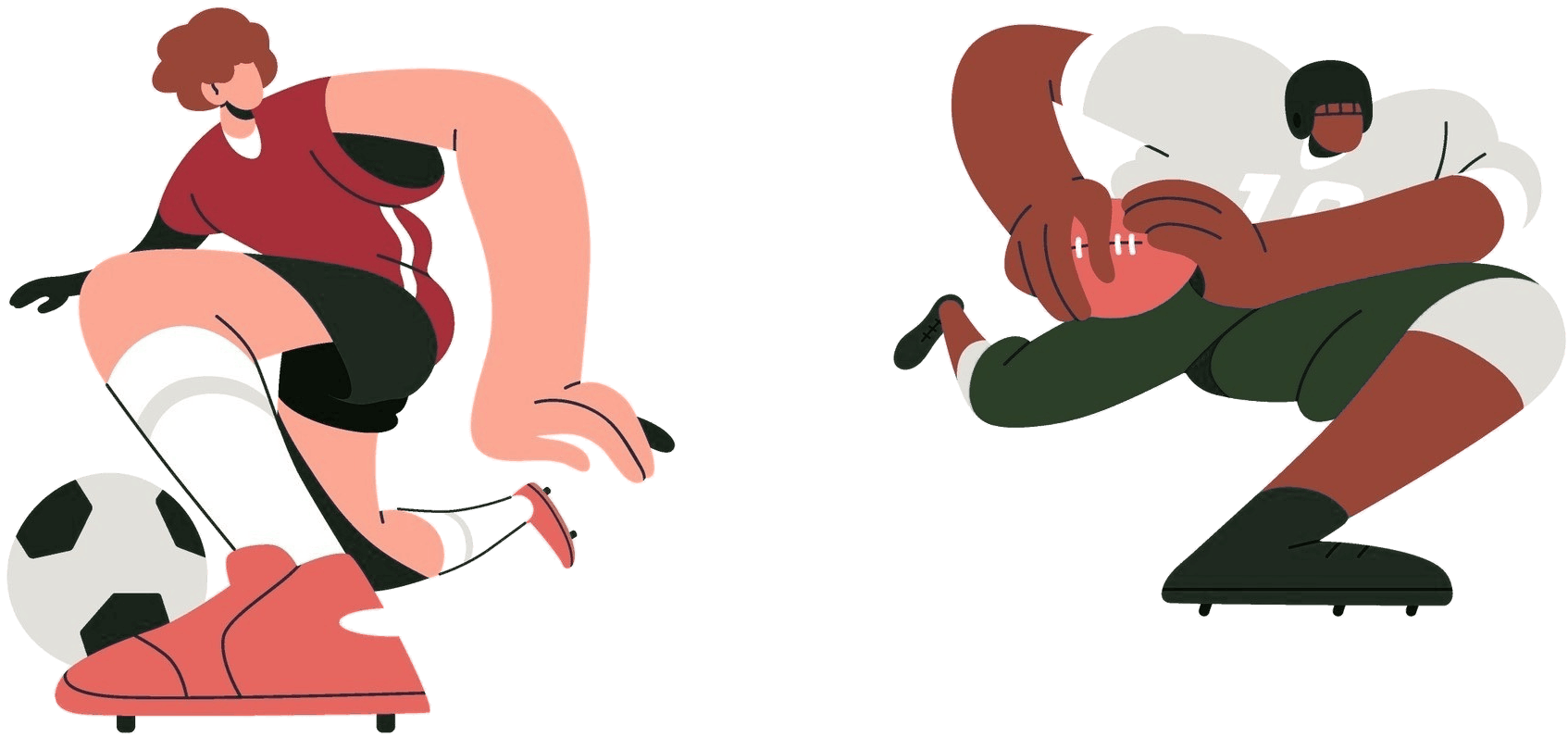
I think former athletes deserve a special place in this conversation.
Imagine spending your adolescence and early adulthood being recognized for what your body could do. Whether you played high school football, basketball, wrestled, ran track, or competed in college athletics, your strength and physical abilities were likely important parts of your identity. For years, so much of your life revolved around your sport. Practices, games, training, and the relationships you built with teammates were part of your everyday life. Being an athlete was part of how you understood yourself and your body.
Eventually, the last season ends.
You graduate, you start working full-time, maybe you get married or become a parent, injuries catch up with you, and spending two hours in the gym every afternoon isn't realistic anymore. Your priorities change, and naturally, your body does too.
Something I've noticed is that former athletes can lose the joy of working out once they hang up their cleats. When movement has been tied to performance for so long, it can be difficult to figure out what exercise looks like when you're no longer training for anything, especially if you're feeling burned out and tired. If being ordinary was never acceptable as an athlete, how do you suddenly become comfortable having an ordinary, aging body?
For men who spent years identifying as athletes, these changes can bring genuine grief. Weight gain may feel especially difficult when you've spent much of your life associating your body with athletic performance. You might miss your strength, your stamina, or the way your body used to move. You might also miss your teammates, the structure of practices, or simply being really good at something that mattered to you. There can be a lot to grieve when that chapter of your life ends.
I wonder how many men in their late 30s and 40s are still comparing themselves to the 19-year-old version of themselves, who had completely different responsibilities, a different lifestyle, and a body that hadn't yet experienced decades of living.
I want former athletes to know that it's okay to miss what their bodies used to be capable of. It's okay to miss the sport and the person they were when they played it. I also hope they can begin to appreciate the bodies they have today, even if those bodies look and function differently than they once did.
You were a whole person before your athletic career ended, and you're still a whole person now.
Dating When You're Uncomfortable in Your Body
In my work with men, I've heard clients describe feeling pressure to order a salad or choose a supposedly "clean" meal on a date because they're worried about how their food choices might be perceived. Feeling like you need to order the "skinny" meal isn't just a girl problem.
Imagine wanting a burger and fries but ordering something entirely different because you're afraid the person sitting across from you will make assumptions about your body or your self-control. That's an awful lot of pressure to put on dinner.
These insecurities can also show up during physical intimacy. Men may worry about their stomach being visible, their height, or their penis size. Even when someone expresses genuine attraction, it can be difficult to believe them when you've spent years criticizing your own appearance.
The Radio Conversation That Really Got Under My Skin
Recently, I was listening to a local radio station that plays a game called "Green Flag, Red Flag." Listeners call in and describe something about a person they're dating, and the hosts discuss whether the behavior is a green flag or a red flag.
A woman called in about a man she had been seeing who locks his snack pantry every night. She explained that he used to live in a larger body and had lost weight, so locking up his snacks was something he did to maintain self-control.
The general consensus was that this was a red flag, mostly because it sounded annoying to deal with as a dating partner. The green flag voters seemed to admire his discipline. Listen, I get it. I'd be a little irritated if I couldn't grab an Oreo after 9:00 p.m., too. But damn, how are we still praising and normalizing someone for having the discipline to literally lock up their snacks? The entire conversation left me feeling pretty fired up, and mostly, I just felt sad for this guy.
I couldn't stop thinking about what his relationship with food might feel like if he believed he needed to physically lock it away every evening. Does he feel anxious around certain foods? Is he afraid of regaining weight? Does he believe he can't trust himself to eat without some kind of external restriction? A literal lock and key is intense.
I have absolutely no idea. I've never met this man, and I'm certainly not going to diagnose someone based on a story I heard on the radio.
It bothered me because a potentially complicated relationship with food became entertainment. The conversation centered on whether his behavior made him a desirable dating partner rather than what might be happening for him emotionally. It also just felt like an invasion of his privacy.
I always feel disheartened by how much we still struggle, as a culture, to talk about food and bodies with sensitivity and compassion. I don't know whether this man is struggling. He might feel perfectly comfortable with his routine, and I hope he does. If food has become something he fears, though, I hope someone in his life approaches that experience with kindness and curiosity.
What Would a Different Relationship With Your Body Look Like?
One thing I hope men can take away from our conversations about body neutrality and body acceptance is that you don't have to like everything about your body to accept that it's yours. You can pursue fitness goals, miss the body you had at 20, or feel disappointed about losing your hair without spending the rest of your life trying to hold on to a body that was always going to change. Your body is going to change as you get older, and I want men to feel like they have some freedom in how they respond to those changes.
You can enjoy lifting weights without needing to look a certain way. You can order the pimento cheese burger on your date. You can gain weight, lose muscle, grow older, and still be attractive. You can also decide that you're done trying to change your body altogether.
I encourage men to think about where their expectations came from in the first place. Who taught you what a man's body should look like? What do you find yourself assuming others think or notice about your body? Who do you feel safest with in your body?
I want men to feel free to care about their health without sacrificing their joy. I also want them to know they can talk about their insecurities, grieve the bodies they once had (or never had), and ask for support without feeling embarrassed about any of it.
What would it look like to begin relating to your body in a way that feels kinder and gentler?
Kind Shit You Deserve to Hear:
Losing your hair doesn't mean you're losing your looks. Hot guys go bald, too.
You don't owe anyone a younger version of yourself. Hot men get older, too.
Your height has nothing to do with the size of your heart.
You can be a good man without being a big, strong man.
Big, strong men deserve gentleness, too.
Your body is allowed to be ordinary. So are you.
Men deserve space to talk about body image, too. Whether you’re feeling pressure to look a certain way, struggling with changes in your body, or missing the confidence you once had, you don’t have to figure it all out alone.
Therapy can offer a judgment-free place to explore those feelings, challenge the expectations you’ve been carrying, and build a kinder relationship with your body.
Ready to talk?
Reach out to The Therapy Hub to learn more about working with Angel.