
Y’all, we are now the same age or older than some of our favorite childhood adults.
Dennis Haskins (RIP to an OG), who played Mr. Belding was 38 at the start of Saved By the Bell and 42 when the show ended. Classic and elder Millennials are officially in that age bracket now, and Gen X passed that milestone a while ago. It’s a surreal, disorienting feeling when you realize the adults (Like, real adults with careers and shit) from your childhood weren’t actually that old.
The teachers, neighbors, musicians, and other grown-ups who were fixtures of our childhoods are getting older, too. Lately, it feels like we're saying goodbye to more and more people who seemed like they'd be around forever. I never imagined a world without Dolly Parton and Catherine O'Hara. I'll still watch Home Alone and A Smoky Mountain Christmas this holiday season, just like I always do. These movies have brought me joy and that familiar ache of nostalgia for years, but this year, there will also be deep sadness. I guess there comes a point in life when nostalgia and grief become intertwined, two unfortunate peas in a pod.
Though, it's not just the familiar faces from our television screens. Heartbreakingly, our parents, too, are getting older. For many of us, they're among the most precious people in our lives. The ones who raised us, made us delicious meals, sat in the bleachers at all of our games, and pulled many all-nighters to help us build the coolest science projects. In my family, they did all of this three times over. (Middle children, what up?)
We’re getting older. They're getting older.
There's absolutely nothing we can do about it.

Grieving Someone Who Is Still Here
We tend to think of grief as something that follows death, but grief doesn't always wait until the loss happens. This is called anticipatory grief, and it can arise when we're faced with the possibility or inevitability of losing someone we love. You're grieving someone who is still alive while watching them change in ways you can't stop.
Maybe one of your parents has received a serious diagnosis, or you've started noticing changes in their memory or mobility. There are more doctor's appointments these days, and they're beginning to need help with things they once handled easily on their own. It's also possible that nothing significant has happened, you’re just becoming more aware that your time together feels fleeting.
You can grieve your parents while they're still sitting across from you. You can miss who they used to be, the traditions that have changed, the independence they once had, and a future you desperately want them to be part of. You might find yourself grieving what it once felt like to be their kid, or just being a kid in general.
Though, knowing they're still here doesn't necessarily make that grief easier to understand.
Acceptance Doesn't Mean You Have to Like This
Acceptance and Commitment Therapy (ACT) offers a helpful perspective on grief: Pain is an inevitable part of caring deeply about someone. Acceptance doesn't mean we have to like what's happening. It doesn't mean deciding something is okay, finding a silver lining, or somehow reaching a place where death and loss no longer feel devastating. Grief is painful enough on its own, so when we spend our energy fighting the reality of what's happening, we can add another layer of suffering to an already heartbreaking experience. You can refuse to let grief through the front door, but that doesn't mean it won't find its way inside.
Sometimes acceptance is fully acknowledging:
This is happening.
I hate that this is happening.
And I cannot make it unhappen.
We can spend so much time wishing things were different, especially when it comes to the people we love.
She's too young.
He's supposed to be here for that.
I need more time.
We can't possibly be here already.
How are we closer to 2050 than 2000?
Maybe Grief Gets a Cup of Coffee
In her book, Radical Compassion: Learning to Love Yourself and Your World with the Practice of RAIN, Tara Brach explores what happens when we approach our suffering with kindness and compassion instead of trying to fight it tooth and nail. Tara Brach encourages people to stop fighting, rushing, or trying to "fix" grief. Instead, she suggests leaning into the phrase "become an apprentice to sorrow," gently making room for it, offering it air, and saying "this belongs."
I find some comfort in thinking about grief this way.
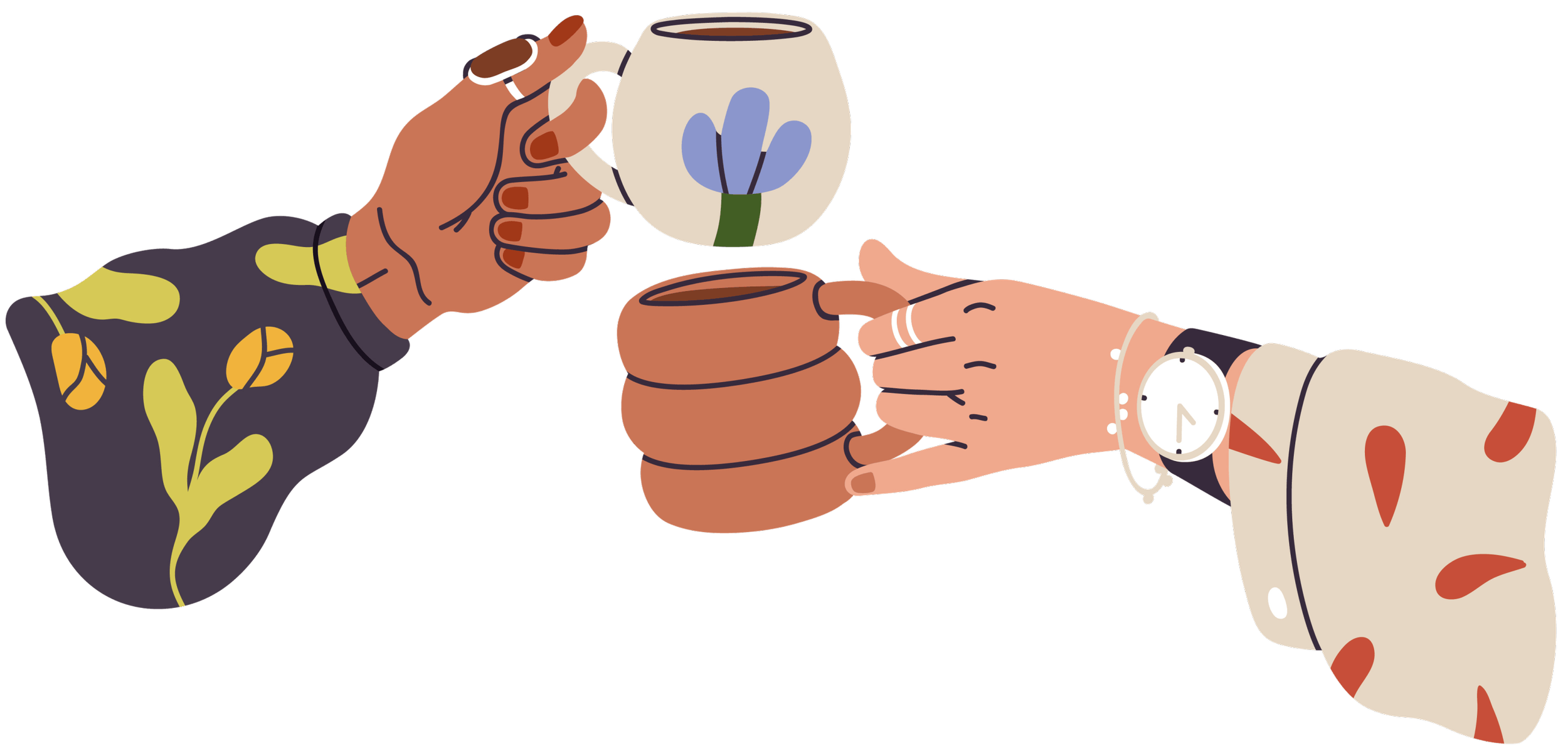
What if, instead of pushing it away, we invited grief in for a cup of coffee? Pulled out a chair and said, Okay, you're here, have a seat.
You don't have to like grief sitting in your kitchen drinking coffee, but she's going to be around anyway. The harder we work to duck and dodge grief, the harder it becomes to stay present for the life happening right in front of us.
When Did We Become the Grown-Ups?
Watching our parents get older also reminds us of something we’d probably rather not think about: we, too, are getting older. There's something sobering about reaching the age you remember your parents being. You can still picture them at 38, 45, or 52, and somehow, in what feels like the blink of an eye, you're that age now.
You may also not be too far from a shift in roles. Maybe you're becoming the person they call when something goes wrong. You’re helping with insurance, going to doctor's appointments, or having uncomfortable conversations about whether it's still safe for them to drive. Things you likely never considered when you were younger.
The people who spent so much of their lives taking care of us may now be the ones who need us to take care of them. This transition can bring tenderness, fear, frustration, resentment, humor, guilt, and profound sadness, sometimes all before you’ve eaten lunch. Whatever you’re feeling, make some room and space for it.
Looks like grief could use another cup of coffee.
Sometimes We're Grieving What We Never Had
Not everyone has a close or loving relationship with their parents, so watching them age can bring up an entirely different kind of grief. Perhaps you've spent years hoping your parent would eventually take accountability for an old hurt, apologize, become more emotionally available, or finally show up for you in ways they never have. As they get older, you may find yourself confronting the possibility that those things might never happen. You can grieve the parent you're losing while also grieving the parent you needed but never really had.
There is no requirement that mortality erase history. You don't owe anyone unlimited access to your life because they're aging, and you certainly don't have to force forgiveness, closeness, or reconciliation because time is running out. Your experiences and the ways you've been hurt still matter, regardless of how old your parents are. Part of acceptance may involve grieving the relationship you hoped to have while figuring out what kind of relationship, if any, feels healthy for you now.

What About the Time We Still Have?
Anticipatory grief can make us scan for evidence of what's coming. We notice every forgotten word, new medication, mood shift, or change in gait. We imagine funerals that aren't happening yet. We wonder whether this Christmas could be the last one together, whether we should take more pictures, ask more questions, or visit more often. I sometimes catch myself counting how many beach trips we might have left.
Suddenly, we're grieving a future loss while the person we love is sitting right there.
ACT reminds us that we can notice when our minds get caught up in future worry and bring ourselves back to what's happening right now.
Dad is here. Mom is here. My siblings are here. I'm here. We’re together.
Anticipatory grief can also convince us that if we spend enough time worrying about losing someone, maybe we'll be better prepared when it happens. Unfortunately, grief doesn't offer a punch card. Ten existential crises about your mom’s mortality don't earn you one free bereavement.
What we can do is ask ourselves a different question: How do I want to be here now?
Instead of spending all our time preparing for loss, we can think about how we want to spend the time we still have. Maybe that means calling your dad more often, asking your mom new questions about her life before you were born, or finally taking that trip you've been talking about for years. It might mean having a little more patience with getting ten texts in a row, explaining to your dad how to use Netflix for the fifth time, making more time to laugh together, or getting cozy on the couch watching some nostalgic TV shows. Personally, I love watching OG Matlock episodes with my mom and dad. Mama’s Family and In the Heat of the Night are also in the rotation.
It may also look like setting a boundary, helping with a task they've been struggling with, making space for a difficult conversation, or learning to stop treating every visit like a countdown to the inevitable. Let an ordinary Tuesday be an ordinary Tuesday.
It's a strange thing, loving your parents so much all while grappling with the grief of them growing older. We don't have to like what's happening to accept that it's happening, and we don't have to let our fear of losing someone steal the time we still have with them.
We notice grief standing at the door. We know why it's here, and instead of spending all of our energy pretending nobody's home, sometimes we open the door.
We hold its hand. We pour the coffee.
Then we return, as best we can, to the people who are still sitting at the table with us.
Watching your parents grow older can bring up emotions you never expected, from sadness and anxiety to guilt, uncertainty, and grief. Whether you're navigating changes in your relationship with your parents, struggling with anticipatory grief, or simply finding it difficult to accept how quickly time is passing, you don't have to sort through those feelings alone.
Therapy can offer a supportive space to process these experiences, make room for complicated emotions, and find ways to stay present with the people you love.
Ready to talk?
Reach out to The Therapy Hub to learn more about working together.